
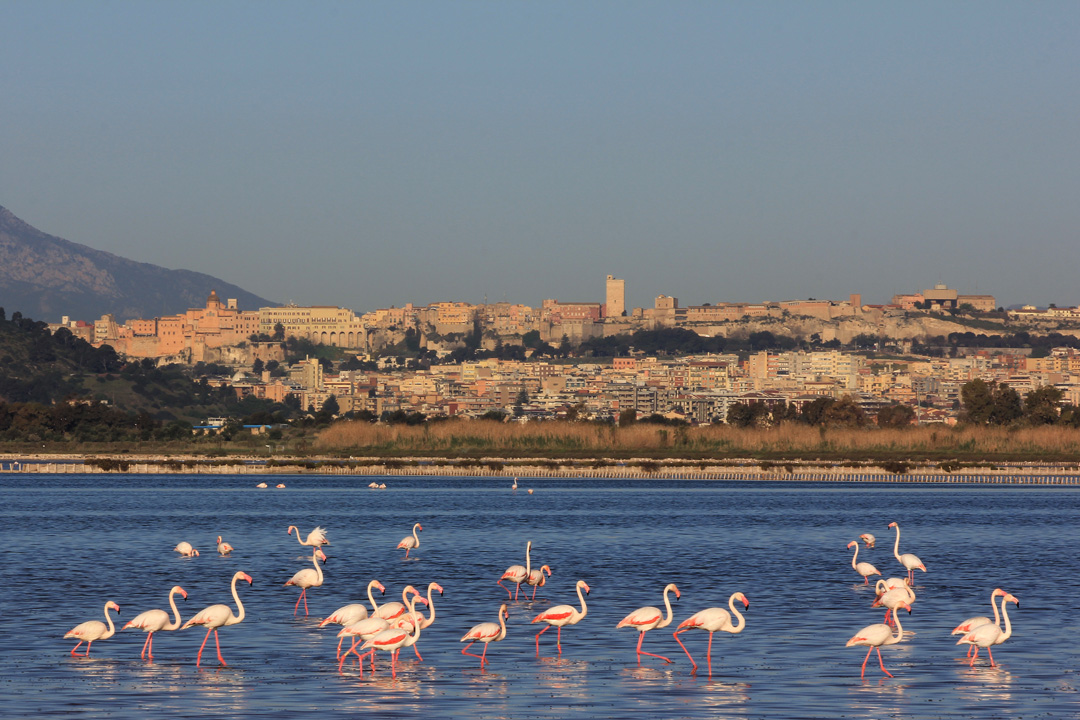
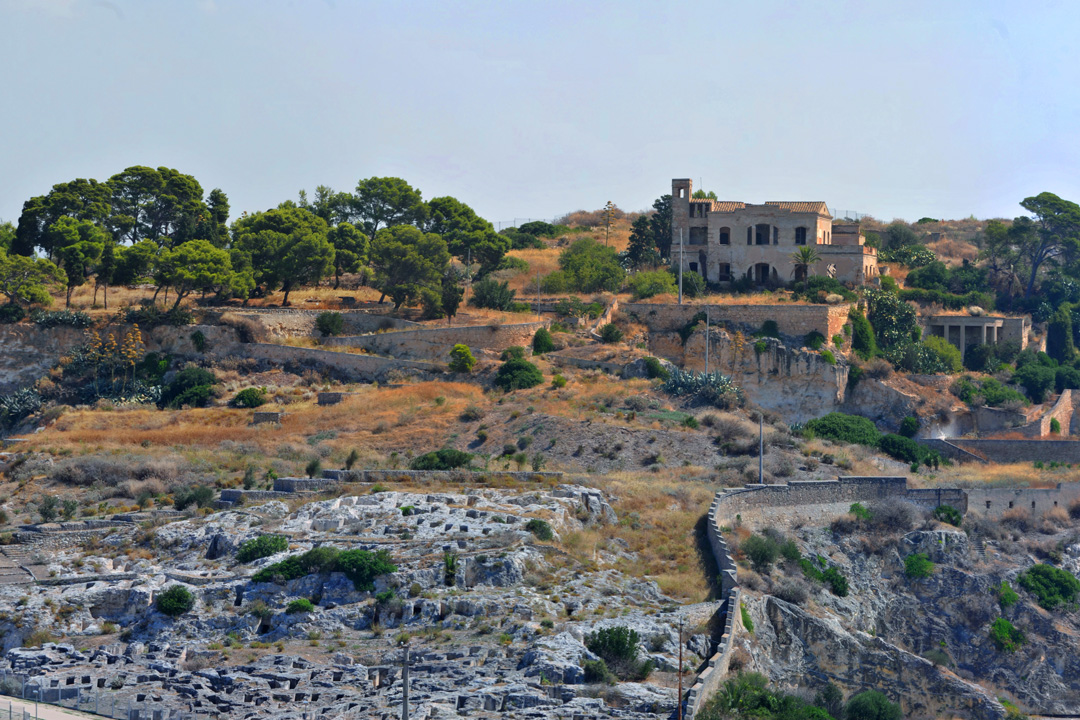
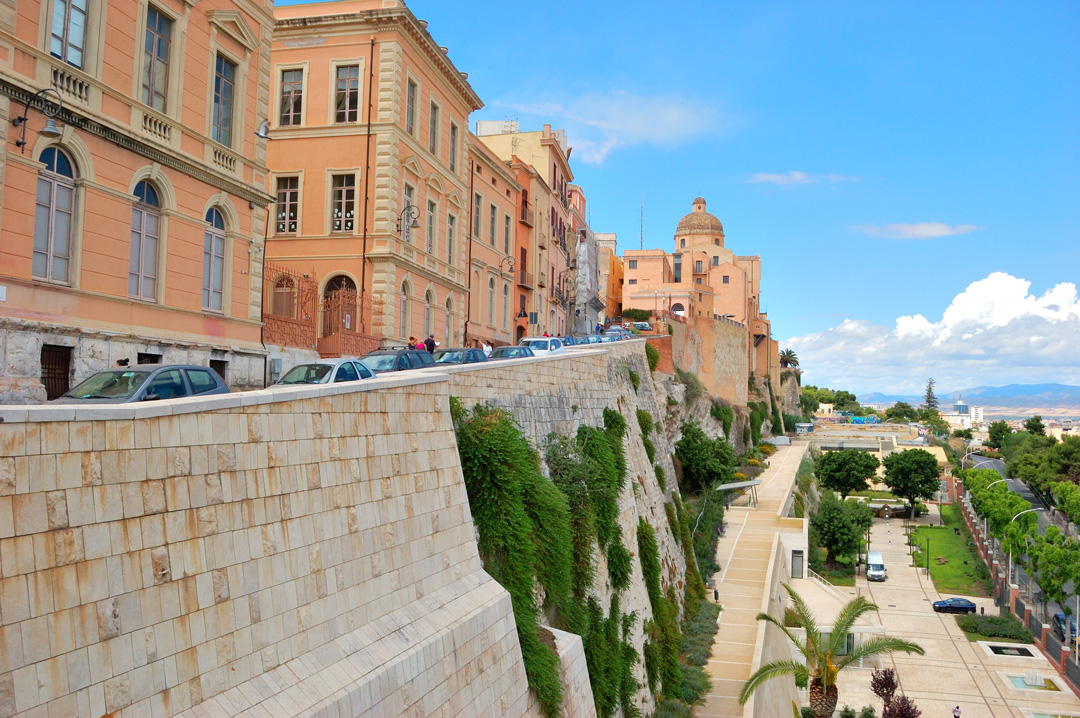
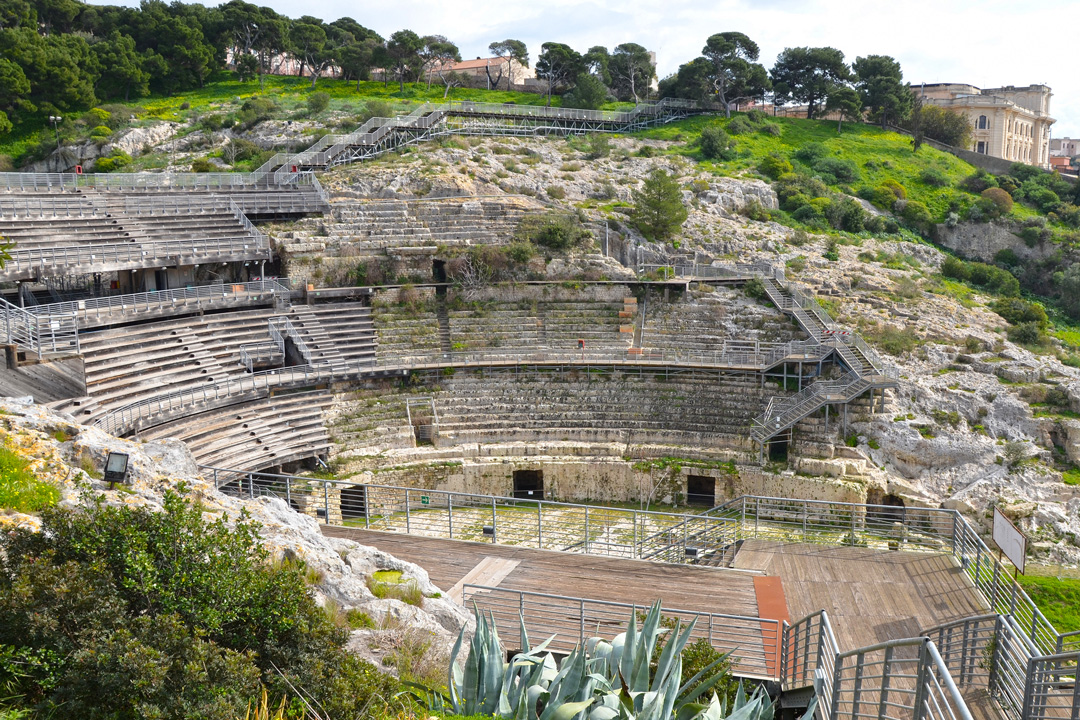

Cagliari (Cagliari in Sardinian), a port city, is the custodian of a important historical, artistic and natural heritage. Throughout its history, its strategic positioning in the Mediterranean has always afforded it a leading role. During the Roman period The capital of the Province of Sardinia and Corsica. A testament to the period is the’Imperial-age amphitheatre, the Tigellius' Villa, the Cave of the Viper and the Punic Necropolis of Tuvixeddu. The city is also rich in large areas for public green spaces (city parks): Public gardens, the Memorial Park, the Garden below the walls, etc.; there are also two protected natural areas in the territory where flamingo colonies can be found: the Santa Gilla Lagoon and he Molentargius Pond. The most popular with tourists are the beaches, among which we can mention The Poet (in Sardinian, Su Poettu, Cagliari's main beach) which stretches for about eight kilometres, from the Devil's Saddle to the coastline of Quartu Sant'Elena. Another popular beach is the small beach of Calamosca situated between the zone of Cape Sant'Elia and the Poetto.
The Port of Cagliari, in the extreme south of the island, it's among the oldest and it is located near the city centre, connected all year round with the ports overlooking the Tyrrhenian Sea: Civitavecchia, Arbatax, Naples e Palermo.
Monuments and places of interest:
- The necropolis of Tuvixeddu
- The Roman Amphitheatre
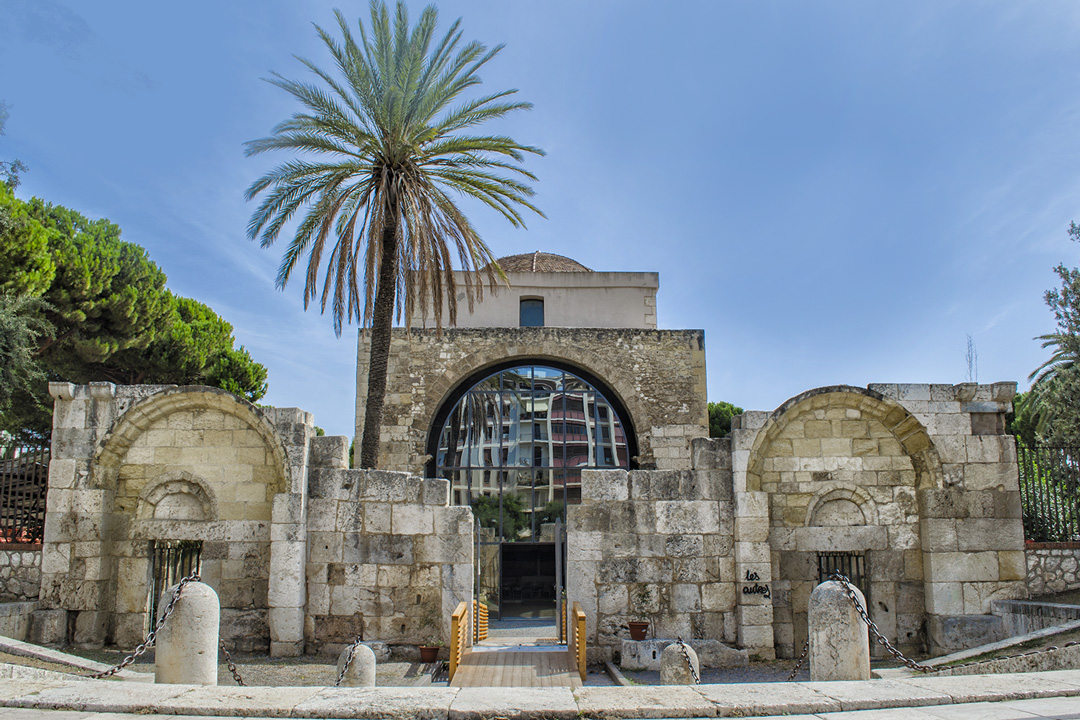
- The Basilica of Saint Saturninus
- The Monumental Complex of San Michele
- The Bonaria Monumental Cemetery
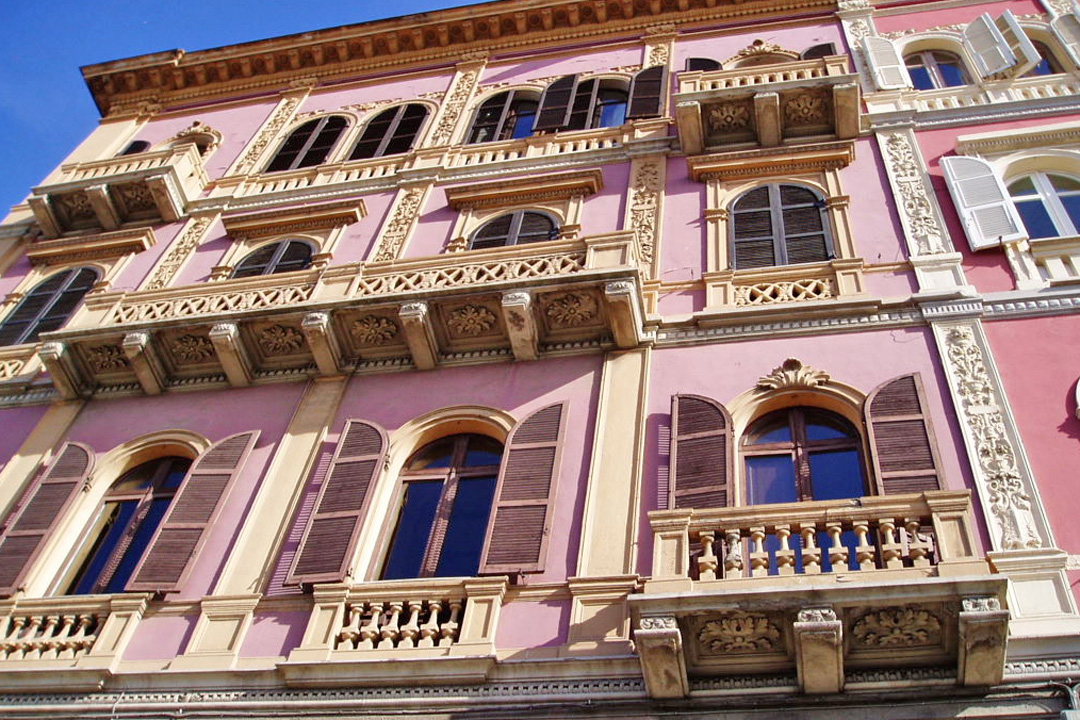
- The Liberty Palaces: the row of buildings on Via Roma, Valdés Palace, Balletto Palace, Merello Palace, Accardo Palace.
By ferry from Cagliari
The Port of Cagliari is divided into: Old Port, intended for passenger traffic, of goods and cruise ships e Porto Canale. for activities industrial.
Not far from Old Port are located a series of jetties for the leisure mooring.
CALPERRY IS CONNECTED WITH:
Civitavecchia
Naples
Palermo

